

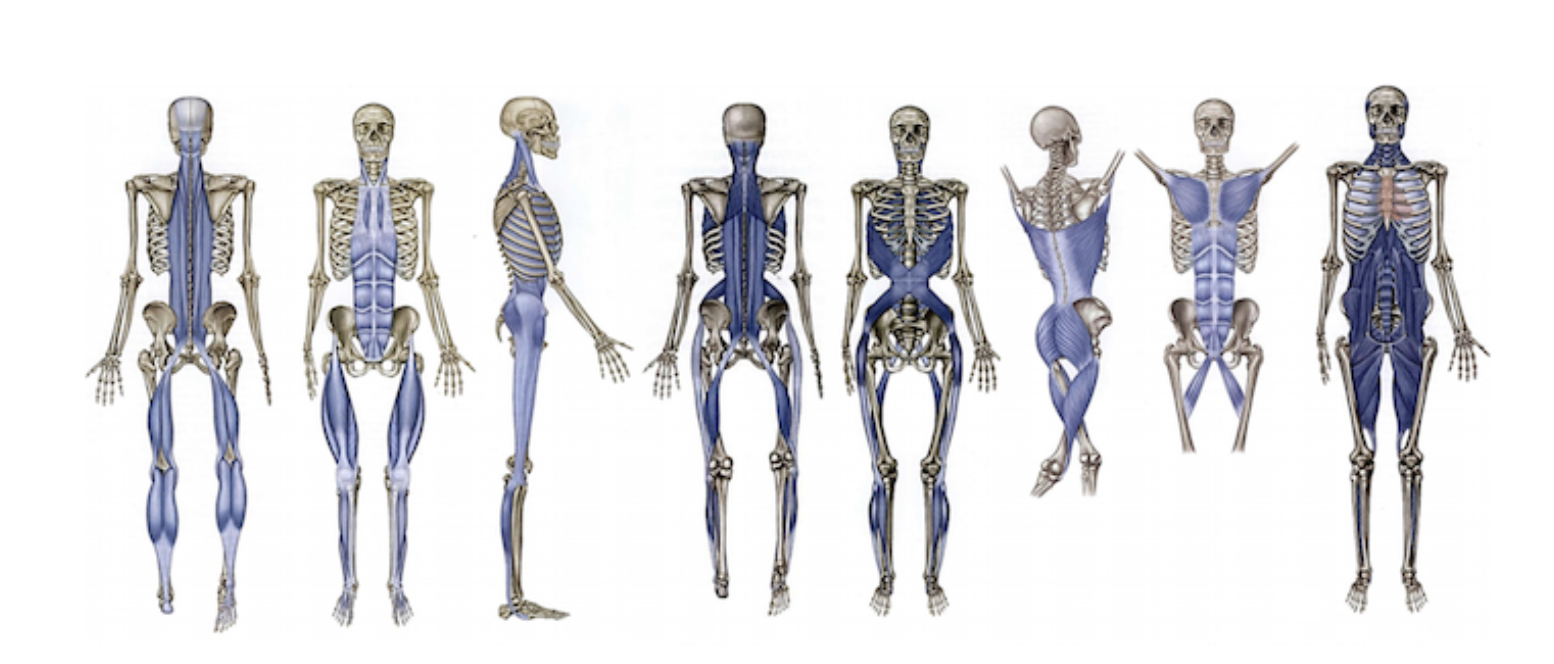
The Myofascial Web & Complex Spines: Why Whole-Body Integration Wins
Most approaches treat complex spines as local problems—something to correct, stabilize, or fix. But scoliosis, fusion, and structural changes reorganize the entire movement system. This post explores why isolated correction falls short, how the myofascial web distributes force across the body, and why integrated, nervous-system-led training leads to more fluid, efficient, and resilient movement.

How Nervous-System-Led Input Creates More Output
Strength doesn’t disappear with time — it disappears when the signal gets lost. For many lifelong movers, effort no longer produces the return it once did: power feels inconsistent, fatigue shows up sooner, and movement that should feel familiar starts to feel heavy. This article explores why nervous-system-led input isn’t “soft work,” but the preparatory clarity that allows strength, speed, and load to actually register — and why restoring signal quality is often the missing link between training and true output.

Breath-Driven Spinal Mechanics for Complex Spines
Directional breath is not about relaxation — it’s physiological access. For complex spines including scoliosis, fusions, osteoporosis, and kyphosis, targeted rib and breath mechanics help reduce bracing, improve clarity, and restore confidence in movement.

Why Precision, Not Load, Becomes the New Performance Metric After 50
After 50, performance isn’t limited by strength — it’s limited by precision. This post introduces precision capacity as the new performance metric for longevity athletes and explains how coordination, force transfer, and nervous-system clarity determine whether strength translates into usable speed, power, and resilience.

Why Strength Doesn’t Always Feel Powerful — and How Integrated Training Fixes It
Strong but still inefficient? Learn how integrative training improves force transfer so strength, power, and movement feel smoother, more controlled, and sustainable over time.

Training Complex Spines: Building Control Before Load
Complex spines require more than harder training — they require clarity before intensity. This post outlines a deliberate, high-performance progression that prioritizes sensory mapping, breath mechanics, and directional stability before load. It’s an intelligent approach to strength that respects structure while building lasting capacity.
Nervous System Strategies After 40: Rewriting the Body’s Defaults
After 40, your nervous system isn’t “starting over” — it’s running on decades of hardwired defaults built from training, injury, compensation, and identity. These strategies aren’t failures; they’re set points the body created to keep you safe and efficient. When those set points stop updating, rotation, recoil, and foot-to-core clarity fade — but with nervous-system-led training, they can be rewritten.

The Next Step in Athletic Training: Integrating NVR, FRC, and Pilates for Precision, Capacity, and Performance
Where clarity meets capacity.
Why nervous system work, joint training, and Pilates create results that stick — in training, in sport, and across decades.

Masters Athletes & Stiffness: Unwinding Training History & Restoring System Clarity
Masters athletes aren’t slowing down — they’re carrying decades of strategy, stress, and protective patterns. Learn why stiffness isn’t “age,” and how nervous-system-led training restores clarity, power, and longevity.
The Holistic Nature of Integrating Schroth Scoliosis Principles with Pilates
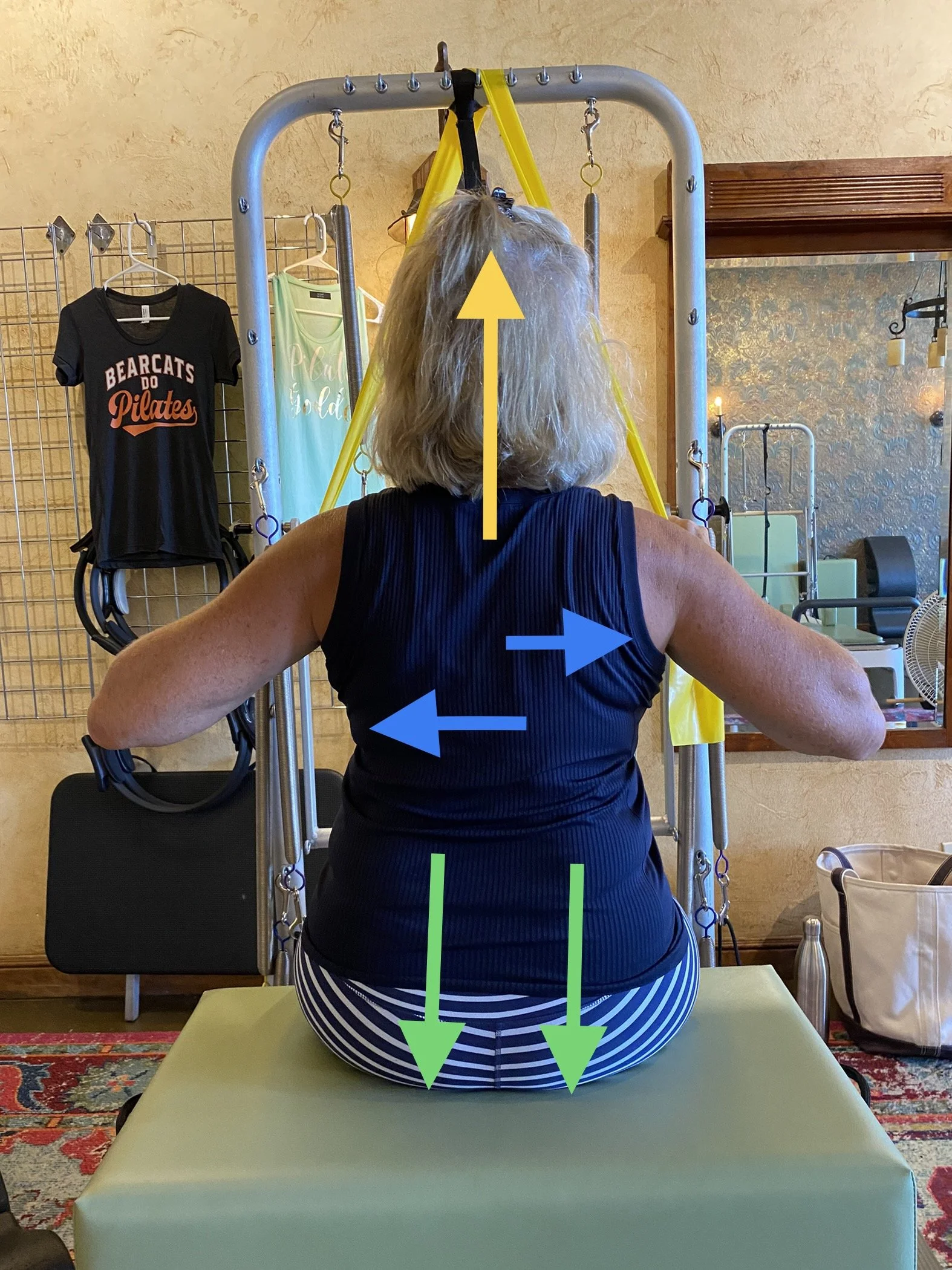
Schroth + Pilates isn’t about chasing symmetry — it’s about building capacity, clarity, and adaptable alignment for the scoliosis body. It blends rotational breathwork, 3D postural organization, and functional movement strategies so the nervous system learns to move with confidence. Progress is measured in clarity, ease, and integration — not perfection. This is scoliosis training that respects the whole system, not just the curve.

Are You Leaking Energy? What Movement Efficiency Really Means
Are you Leaking Energy? Movement efficiency isn’t about moving “easier” — it’s about how cleanly your system organizes, transfers, and recycles force. When nervous-system clarity, fascial balance, joint precision, and coordinated sequencing work together, your body stops leaking energy and starts performing with effortless power. This post breaks down the true nature of movement efficiency — what disrupts it, what upgrades it, and why small, precise inputs create the most profound performance changes.
Subtle Positive Inputs = Profound Outputs: The Science of Movement Economy
Discover how soft, small, precise inputs create profound performance improvements. Learn the impact of movement efficiency, nervous-system clarity, and intelligent force transfer create long-term athletic longevity.
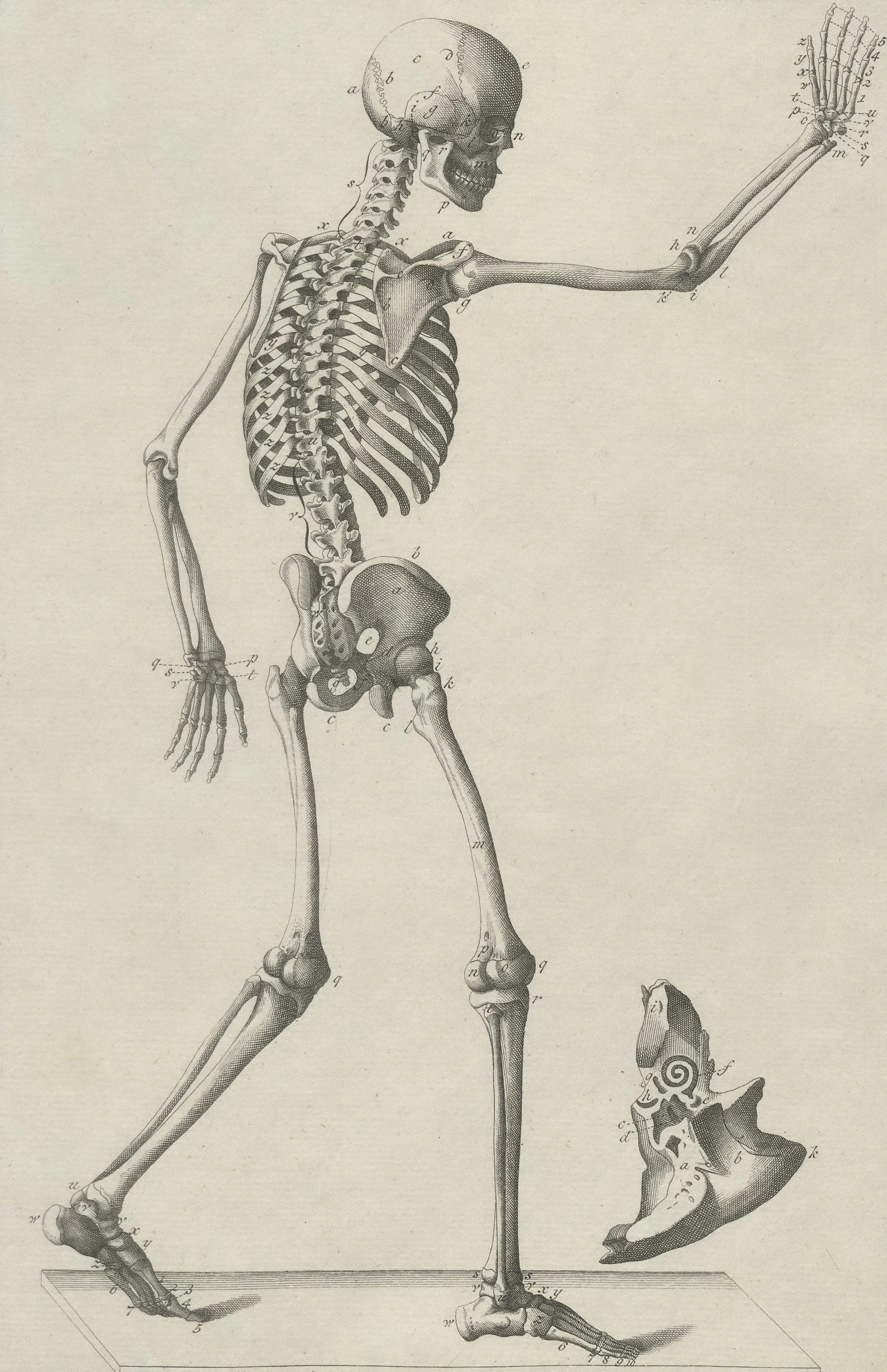
Scoliosis-Aware Movement Strategies: Precision, Adaptation, and Resilience
Scoliosis-aware movement isn’t about straightening a curve — it’s about using precision, breath, and nervous-system clarity to reorganize patterns, expand capacity, and build resilient, adaptable movement for athletes and active adults.

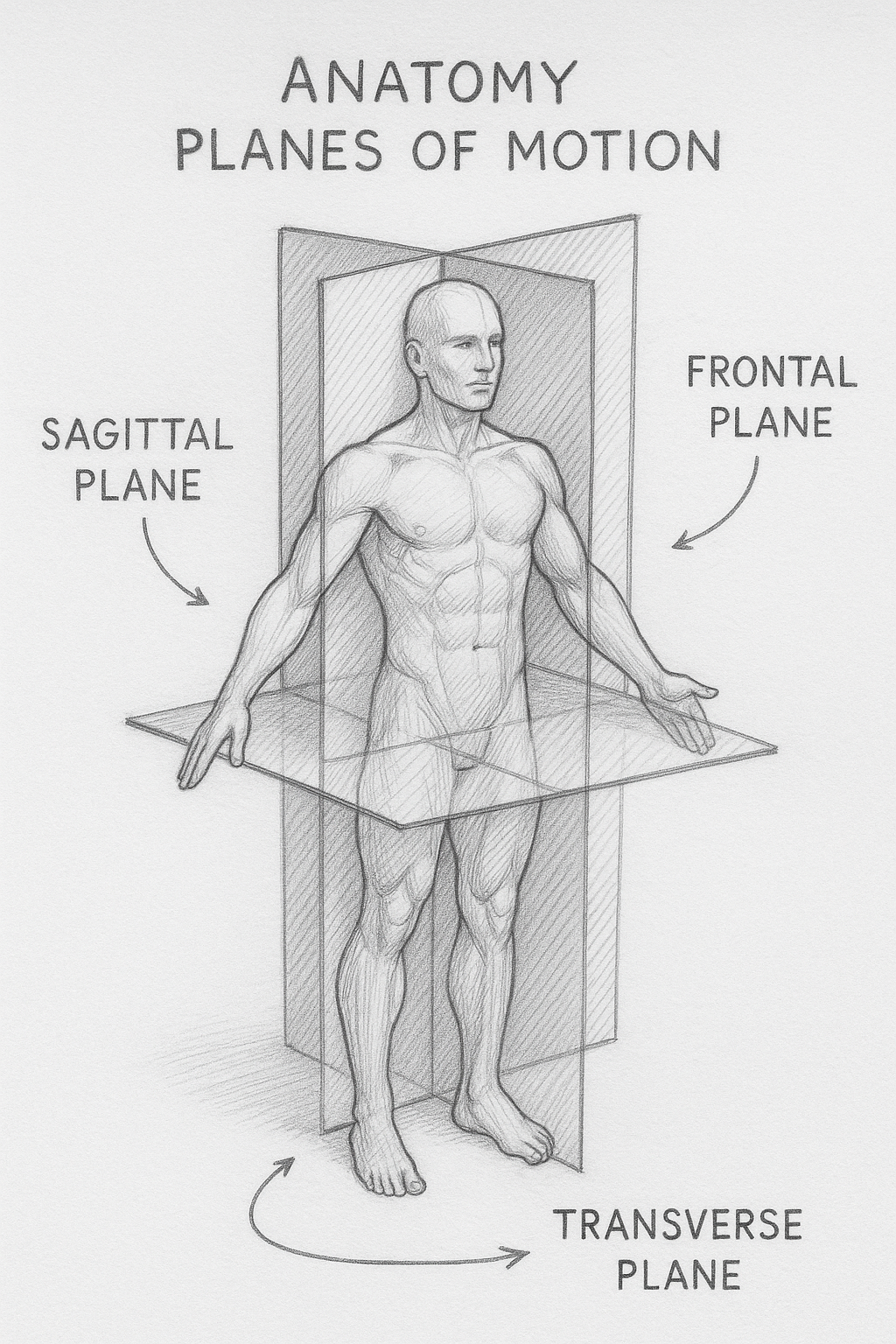
The Multi-Planar Athlete: Why Training in All Planes Is Non-Negotiable for Performance and Longevity
Most training lives in one direction — forward and back — but true performance happens in three. Multi-planar movement teaches your nervous system to adapt, stabilize, and transfer power with precision across every plane. The result: cleaner motion, greater resilience, and athletic longevity that feels effortless instead of forced.

Joint Resilience: Nervous-System-Led Mobility for the Longevity Athlete
Mobility and strength alone eventually stop moving the needle for lifelong and masters athletes. True joint resilience comes from improving the input your body relies on for safety, CLARITY, and power. When the nervous system can clearly sense and trust your ranges, movement becomes smoother, strength becomes usable, and recovery accelerates. This is how capacity outpaces demand — and how athletes continue to move with precision, confidence, and longevity, decade after decade.

Integration: Where Nervous System Safety Meets Movement Performance
Lasting change doesn’t from pushing harder - it comes from sequencing smarter. When your nervous system feels safe, strength, mobility, and coordination expand naturally.
This is the foundation of integrative movement: NVR builds safety, FRC builds capacity, and Pilates integrates control.
Each step teaches your body to move with more clarity, ease, and adaptability - transforming effort into precision, and movement into flow.
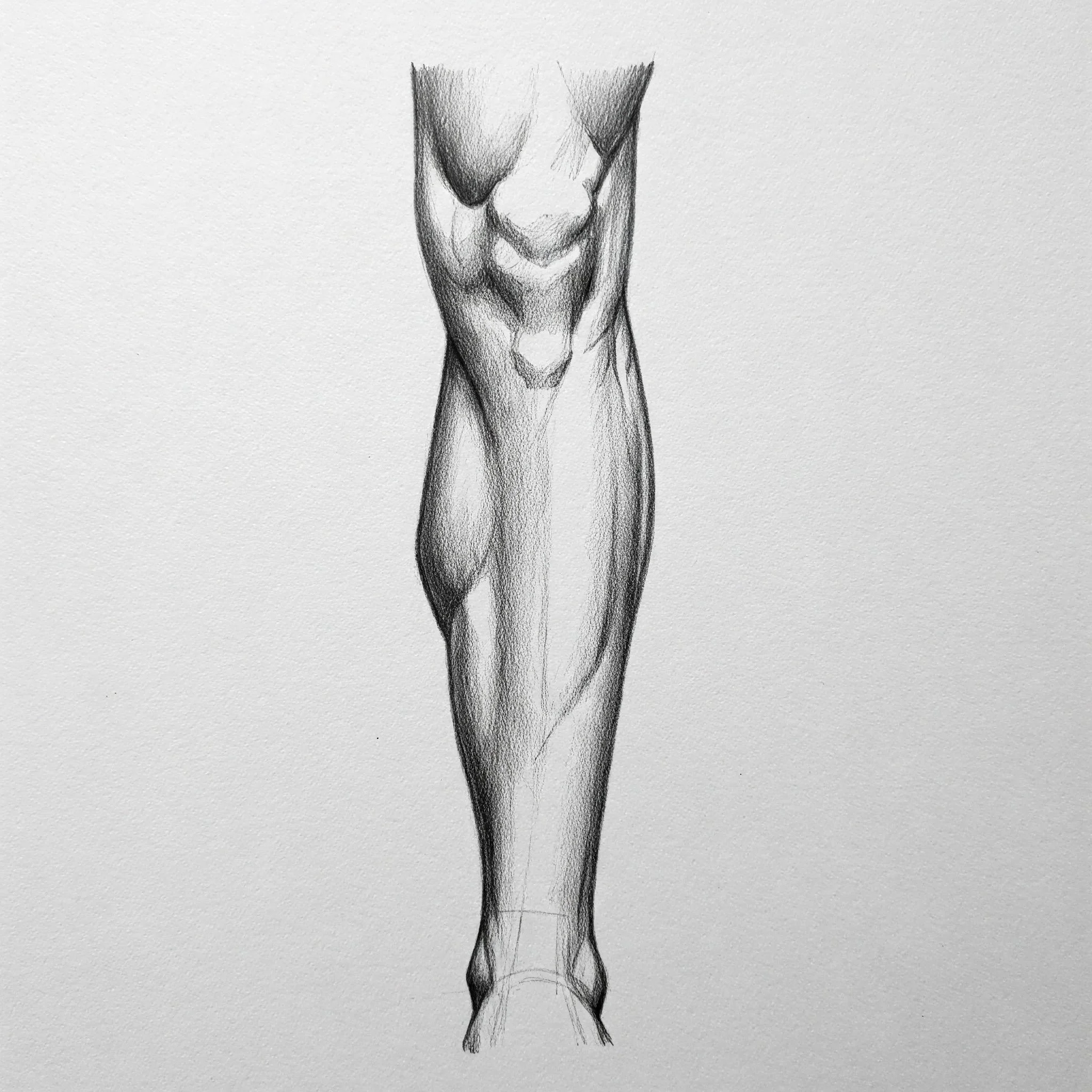
A Case Report of the Effects of Movement-Based NeuroVascular Release on Genu Valgus Pattern
This case report investigates the efficacy of Movement-Based Neurovascular Release (NVR) combined with functional movement in addressing genu valgus (X-pattern legs). Genu valgus, characterized by a medial shift of the knees, often leads to altered biomechanics, functional limitations, and pain. Movement-Based NVR aims to release fascial, neural, and vascular restrictions, improving tissue mobility and function, while functional movement reinforces these changes. The subject, a client with persistent knee pain and an aesthetic desire to correct an X-pattern with previous injuries of a right ACL tear and foot fracture, began incorporating Movement-Based NVR in December 2024 after initial knee pain resolution. Despite previous movement-based interventions, the X-pattern remained, suggesting a plateau in progress.
A targeted intervention plan was implemented, including specific Movement-Based NVR techniques and followed by dynamic full body movements.

Your Body’s Silent Symphony
The nervous system is crucial for pain-free movement, acting as the body's conductor for coordination, proprioception, and reflexes. Dysfunction can lead to chronic pain, movement issues, and poor posture. Techniques like Neurovascular Release can help optimize nervous system function, promoting more efficient and pain-free movement.